A Promise of Safety for Everyone, Anywhere, Any Time: The Panic Button, The City, and the Box
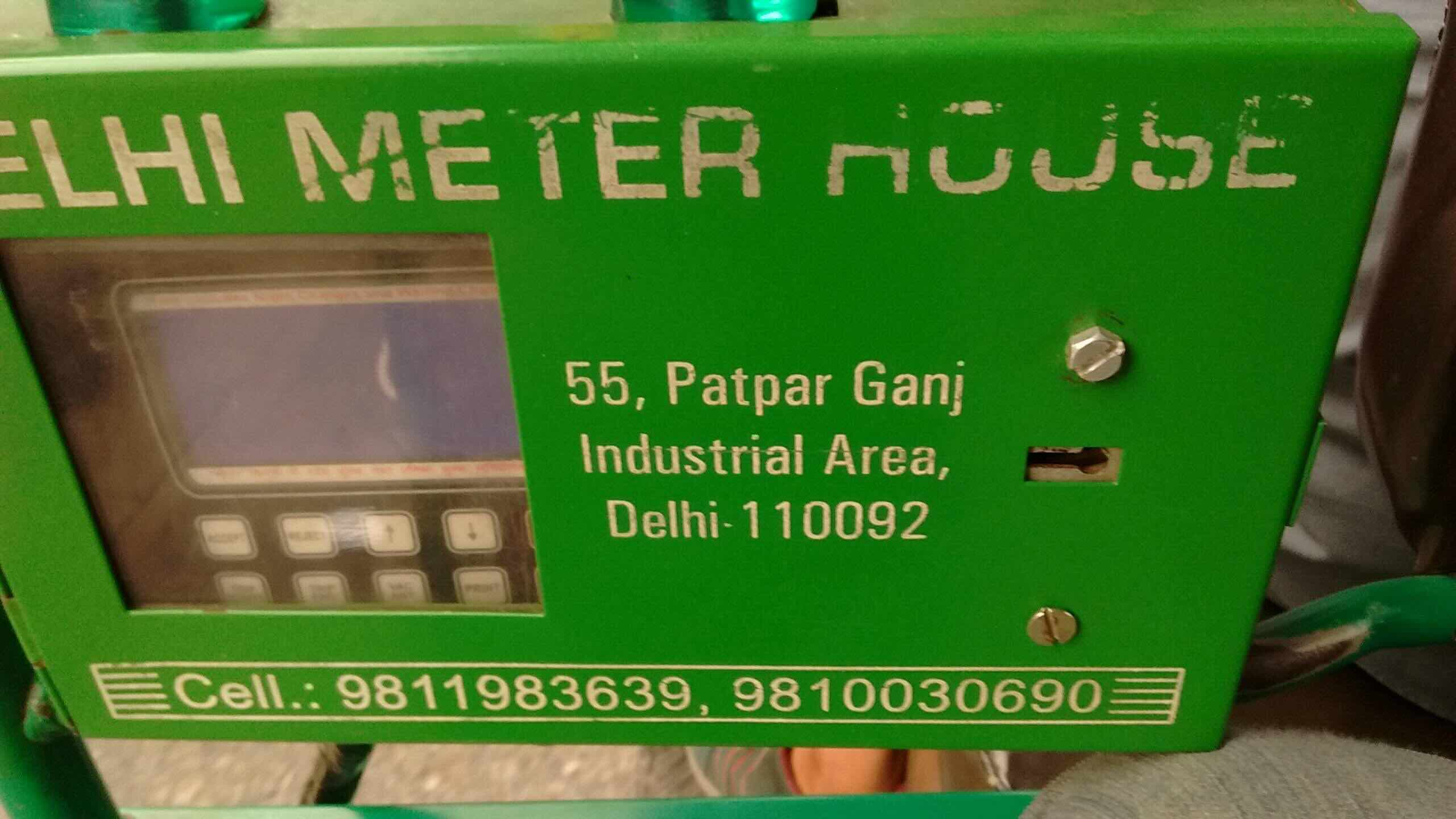
By the time panic buttons were installed in buses, taxis, and autorickshaws starting in 2012, their deployment in Delhi’s public transit vehicles had already been under discussion for some time. Policymakers and engineers had considered them as one among many measures available to address anxieties that movement through the public spaces of the city by these means was inherently and increasingly fraught with danger. In the case of autorickshaws, panic buttons where integrated directly into their fare meters as part of a new meter format introduced in 2012 – the Integrated Electronic Fare Meter (IEFM) – which sought to address broader suspicions about the commercial honesty and social morality of autorickshaw operators. The IEFM incorporated GPS receivers and SIM cards which allowed for the identification and transmission of locational data, with each IEFM linked to a centrally administered software platform to track and monitor each vehicle. (read more...)
