Author Archives: Debopriya Shome

Debopriya Shome is a PhD candidate at the University of Bristol Business School. His research examines India’s expanding platform economy, with a particular focus on how state policies, practices, and imaginaries intersect with the everyday realities of platform workers.
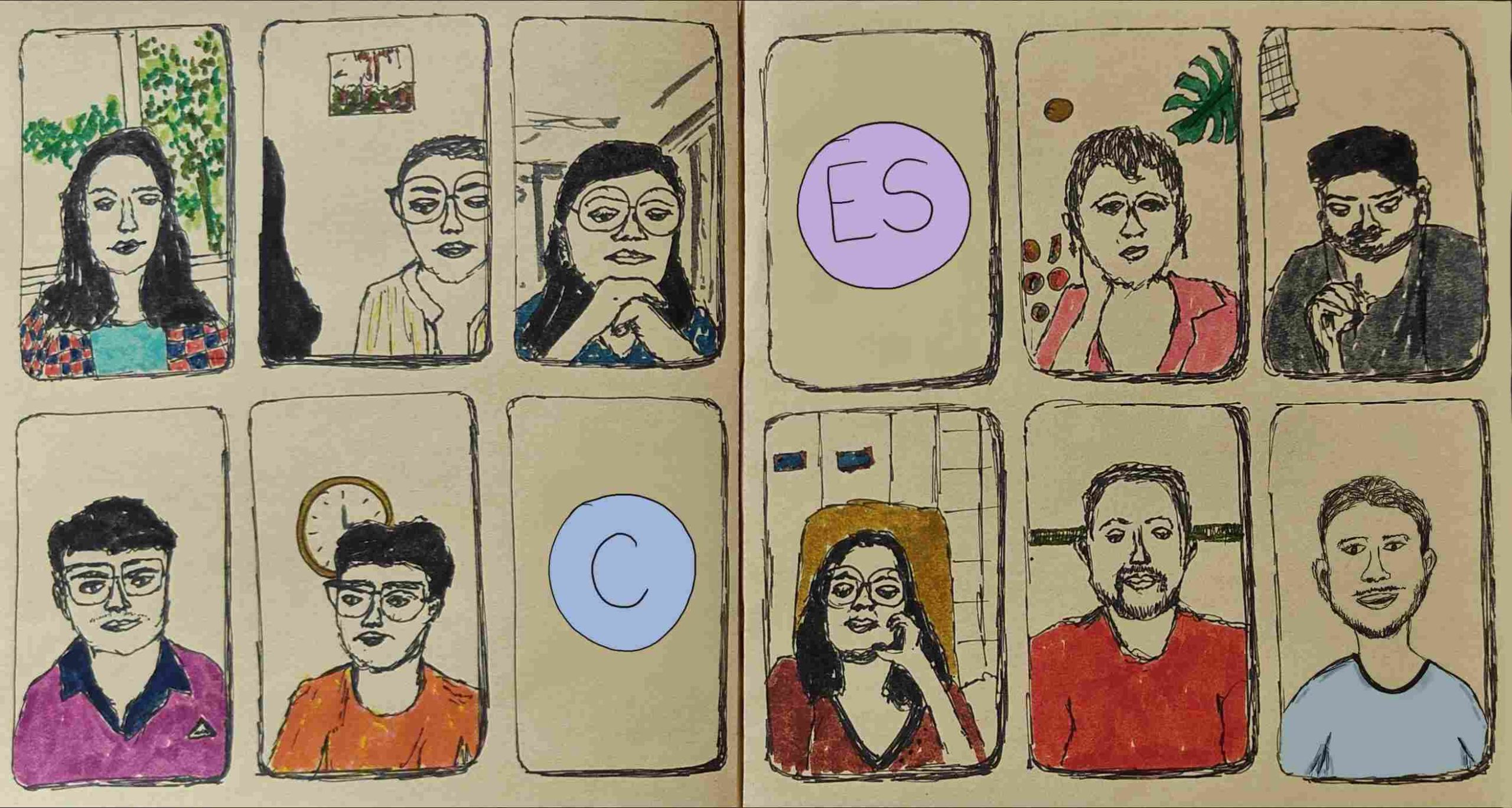
A hand-drawn sketch of an online meeting of the Labor Tech Research Network's (LTRN) India chapter, showing participants' virtual personas

Transnational Translations: An Interdisciplinary Dialogue on Platforms and Labor

This article is the third in a series about gig and platform worker unions in India written by members of the Labor Tech Research Network. Read the introduction to the series here, and the second post in the series here. As the landscape of technology-mediated work has evolved rapidly over the years, spanning across diverse geographical contexts, a wide range of academic disciplines, knowledges, and expertise have become relevant for engaging with the technopolitics surrounding it. The multidimensional and dynamic expansion of digital platforms into yet newer industries and sectors, through the use of novel technological and institutional forms, has made interdisciplinary approaches for the critical study of technology and society indispensable for grounding technological innovation in contextual realities. Moreover, intricately entangled global supply chains in the age of hyper-financialized technocapitalism restage labor politics as industry and work are restructured.  (read more...)

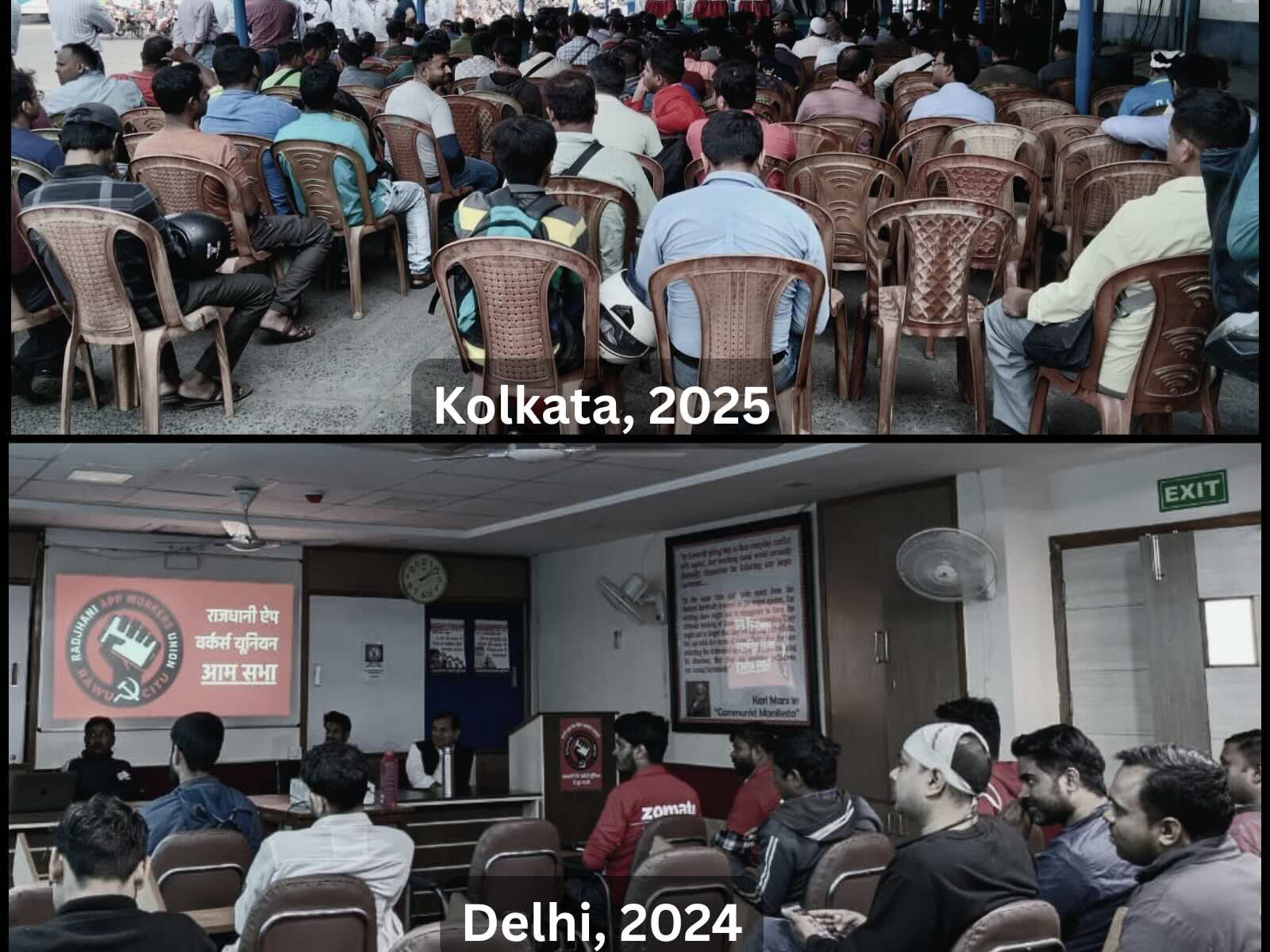
Two photographs taken from behind workers sitting in labor meetings, one labeled "Kolkata, 2025", the other "Delhi, 2024."

Writing About/With Platform Unions: The Role of Culture, Politics, and History

This article is the second in a series about gig and platform worker unions in India written by members of the Labor Tech Research Network. Read the introduction to the series here. This post offers a worm’s-eye view of the tensions and opportunities shaping platform labour organising in contemporary India. Platform work has exposed larger numbers of workers, especially younger workers with little memory or experience of organizing, to mobilize against capital and to do so using innovative means and campaigns (Wadikar, 2025). Building upon literature on platform workers’ mobilization in India (Ray and John, 2025), we highlight how efforts to organize emerge within regionally specific terrains of culture, politics and histories of labour mobilization. Through three vignettes, we bring the everyday together with the cultural, political histories and contexts of three metropolitan Indian cities – Bengaluru, Delhi and Kolkata, cities in which we have lived and engaged in research and activism with platform workers. Spanning between 2019 and 2025, these vignettes reflect the political landscape in India. They shed light on the capital–state nexus that limits the power of workers, unionization efforts built on foundations of loyalty and often exclusionary hypermasculine politics. What are the tensions and contradictions that we confronted while doing research with ‘gig’ worker unions? How do we navigate making certain aspects of unionizing visible while muting others? How can we be less extractive and more useful to the workers we write about? (read more...)