Beyond Deficit: Toward a Strengths-Based Approach to Male Infertility
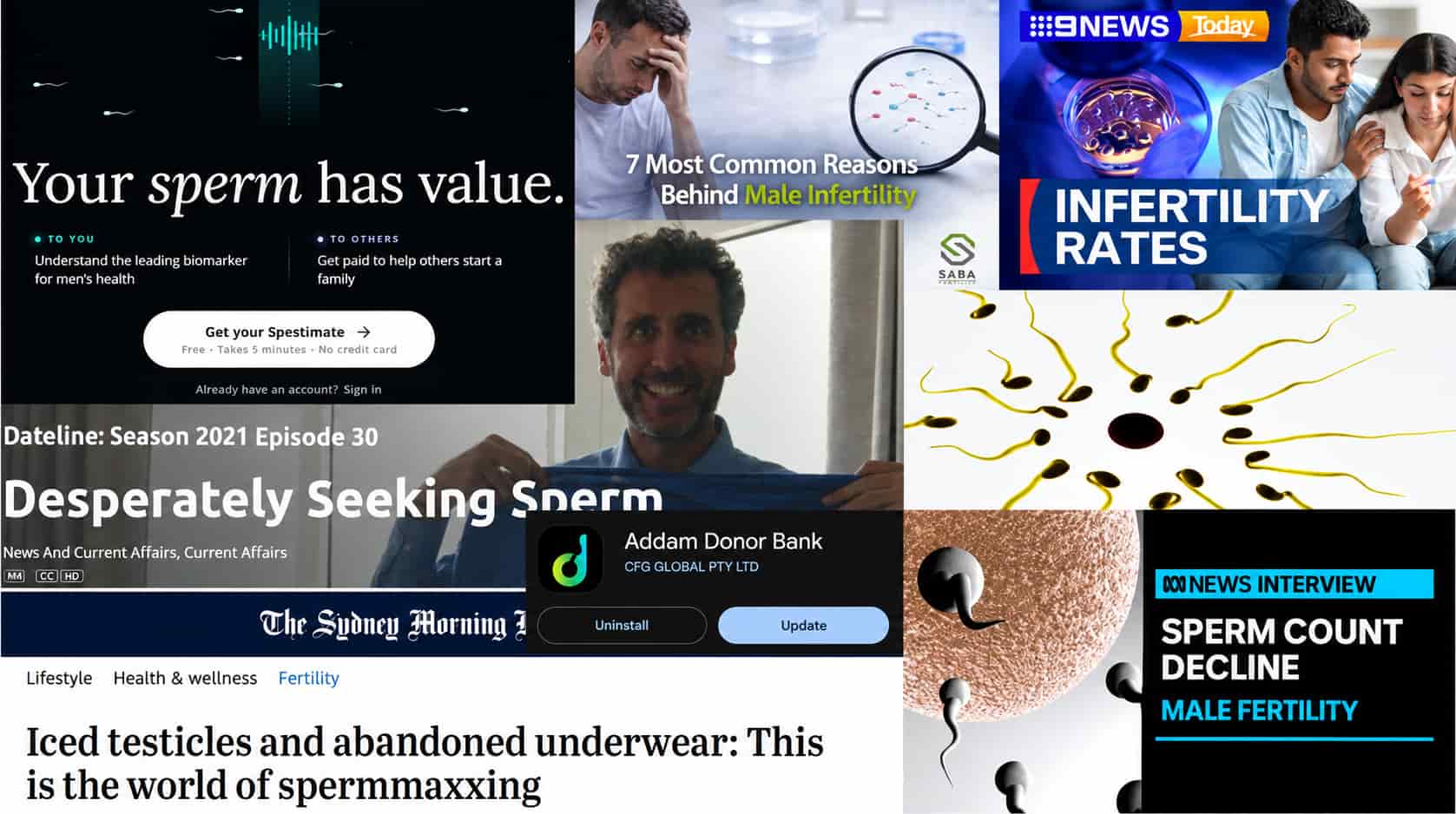
Concerns about declining sperm quality and male reproductive capacity have become increasingly prominent in scientific, clinical, and public discussions of fertility. Yet infertility has historically been located within women’s bodies and treated primarily as a women’s problem, placing women under disproportionate reproductive responsibility, scrutiny, blame, and clinical intervention. This framing has also contributed to men’s reproductive bodies and experiences receiving comparatively limited attention. Growing concern about male reproductive capacity has been accompanied by increasing attention to how male fertility might be preserved, improved, and optimised, alongside broader demographic narratives that frame declining reproductive capacity as a potential threat to future populations. Within these discussions, men are increasingly constituted as reproductive subjects whose bodies can be monitored, modified, and enhanced. Yet this emphasis on improving male reproductive capacity sits alongside a strikingly different representation of men once infertility is diagnosed. Across clinical and social accounts, male infertility is frequently approached through the language of deficit, loss, vulnerability, and incapacity. What would it mean to develop a strengths based approach to male infertility? (read more...)
