Author Archives: Karina Aranda

Karina Aranda is an independent researcher and editorial assistant based in Mexico City. Her primary interests include knowledge infrastructures, experimental methodologies and the ethical and political aspects of academic research and publishing. She holds a Master’s degree in History of Science, Technology, and Medicine (University of Manchester, UK). She is currently pursuing a PhD in Philosophy of Science (National Autonomous University of Mexico, Mexico).
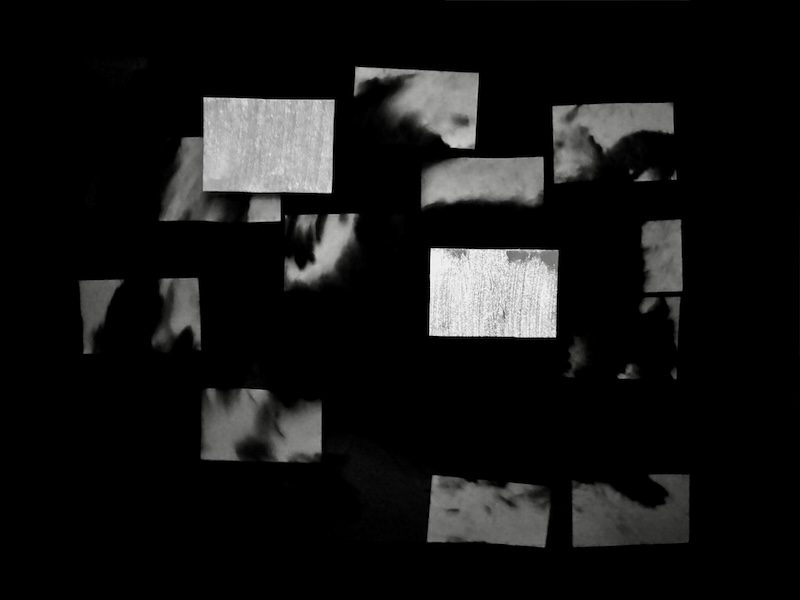
Collage en blanco y negro que muestra 14 fichas, de las cuales dos están destacadas con un efecto fosforescente.

“There is a Ghost in the Box!”: Insightful Surprises From a Note-Taking Archive

The Zettelkasten technique involves writing down your ideas on index cards and assigning them a code that allows you to organize and branch out those ideas to connect them to one another. When you return to your notes weeks, months, or even years later, what you find there often surprises you. Because estrangement and surprise are valuable in research, I want to explain how I believe this phenomenon occurs. In doing so, I argue against the representation of slipboxes as “Second Brains for productivity,” a framing that has become popular in recent years. Instead, drawing on my own experience, I argue for approaching them within a framework of slow, crip temporality—as a way to challenge traditional conceptions of the value of preserving and “managing” knowledge. I propose an experimental perspective, open to fragile modes of existence and knowledge, situated halfway between light and shadow (Souriau, 2016, p. 220). (read more...)

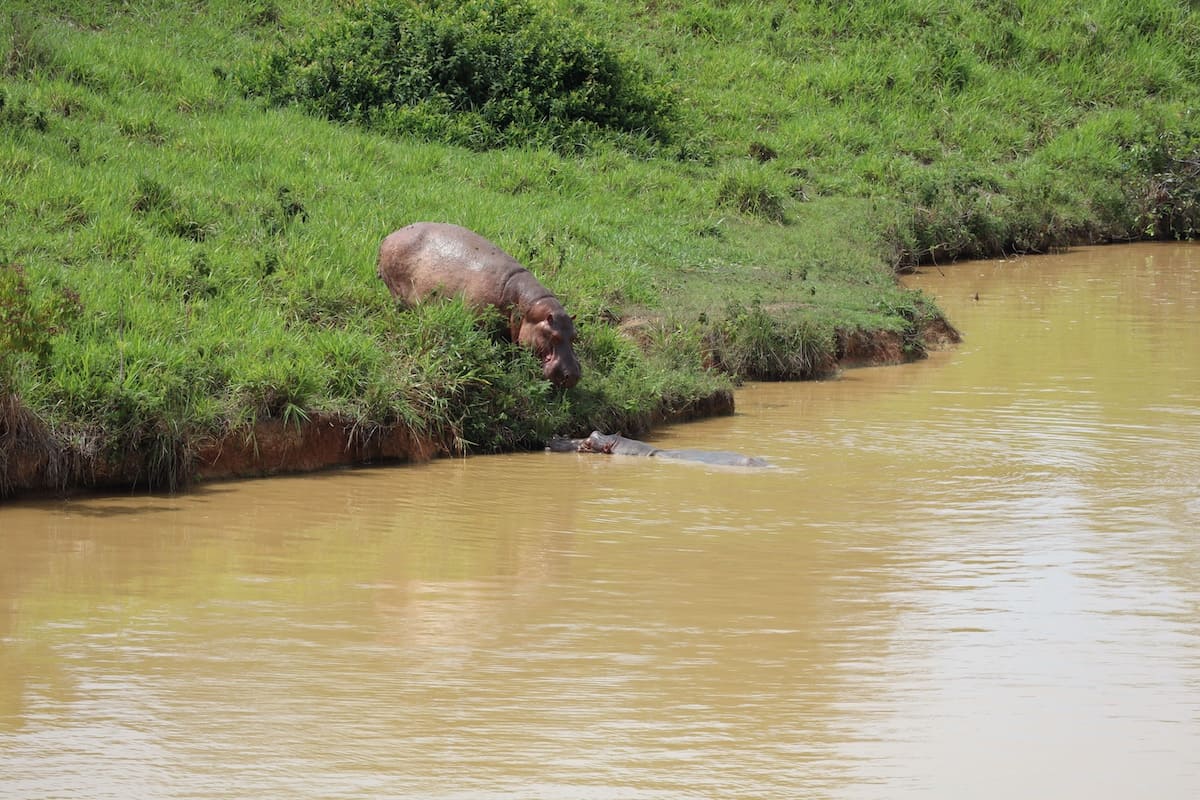
Two hippos on the grassy banks of the river

Experimental Methodologies for Listening to the Present: An Interview with Alejandra Osejo-Varona

This Women’s History Month, we are publishing an interview with Colombian anthropologist Alejandra Osejo-Varona (Rice University). Her ethnographic work is influenced by Latin American feminist epistemologies and Science and Technology Studies (STS), so we thought it would be valuable to share her perspective on multimodal ethnographic research. Nicolás Gaitán-Albarracín and I conducted this interview via videoconference. In this conversation, Osejo-Varona tells us how she collaborates with different scientific communities to explore new ways of listening to the beings that live underwater. Technologies such as microphones, hydrophones, algorithms, model maps, and spectrograms allow us to imagine other ways of relating with the species living in rivers, especially those cataloged as “invasive” in socio-ecosystems of Colombia. These new methodological approaches open forms of collaborative and interdisciplinary work to construct new sensitivities and empathies capable of envisioning other human and non-human worlds. (read more...)