
Author Archives: Iván Flores

Doctor en Ciencias Antropológicas por la UAM Iztapalapa. Me interesan los procesos de apropiación tecnológica, cuestionar la centralidad del trabajo, la importancia del ocio, el juego y el descanso en la sociedad contemporánea, así como pensar en alternativas que permitan alcanzar un estado de soberanía tecnológica, con especial énfasis en la protección del anonimato y la privacidad de lxs usuarixs. Formo parte del grupo “El trabajo en el capitalismo contemporáneo” de CLACSO, del grupo Psicosocial, integrado por profesores del ITESO Guadalajara y de la Ibero Puebla. Entusiasta del software libre, en los últimos meses he explorado cómo trasladar mis dinámicas de trabajo a Linux. - Doctor of Anthropological Sciences from the Universidad Autónoma Metropolitana, Iztapalapa. My interests include processes of technological appropriation, questioning the centrality of work, and the importance of leisure, play, and rest in contemporary society, as well as considering alternatives for achieving technological sovereignty, with special emphasis on protecting user anonymity and privacy. I am a member of the "Labor in Contemporary Capitalism" group at CLACSO, and the Psychosocial Group, comprised of professors from ITESO Guadalajara and Ibero Puebla. As a free software enthusiast, I have recently been exploring ways to migrate my workflows to Linux.
Close-up of stacked gold and silver coins on various currency notes, symbolizing wealth and savings.

Digital Porosity and Value in Suspension: Informal Economies and Video Games

When a video game development company creates a skin, a character, or a bundle of digital items, it is not merely producing aesthetics or playable experiences—it is also building an entire economic system: it defines a virtual currency, sets an exchange rate, and organizes a circuit of value. Riot Games, the creator of League of Legends (LoL), does not sell items directly; instead, it offers Riot Points (RP) as an intermediary currency. This move—currency and rate—drives the formal economy. (read more...)

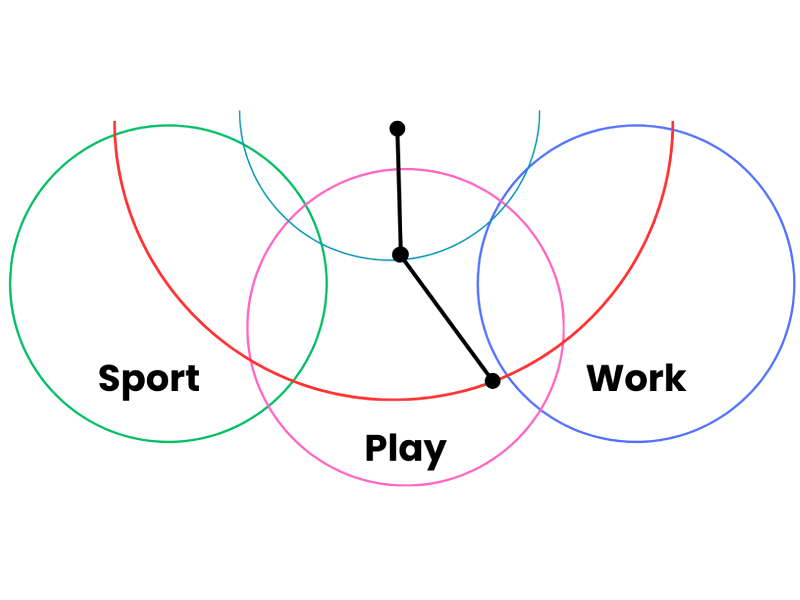
Image of a double pendulum with 3 circles.

Chaotic Oscillation: Understanding the Paradoxical Presence of Video Games in Contemporary Society

Common sense tells us that play and work are opposing categories. However, in our society we often encounter situations where the boundaries between these two categories become difficult to distinguish. It’s common that people earn money from hobbies—activities not typically associated with the effort required for any form of work, mostly because they are fun. These include recording oneself dancing on the street, doing product unboxings, or streaming while playing video games. The variety of activities that can now be monetized is vast; almost any activity can become a niche ready to be used by the market to maintain a consumerist dynamic. (read more...)